


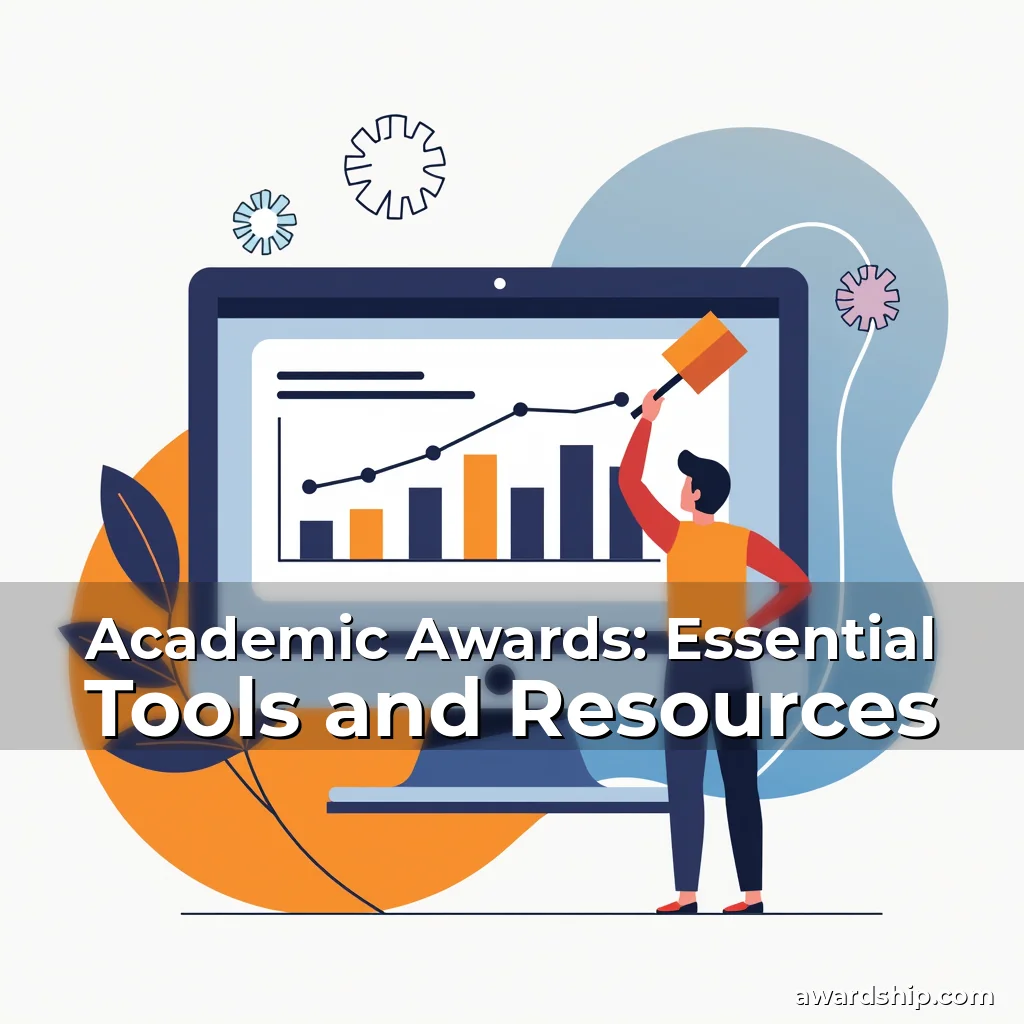
Academic Awards: Essential Tools and Resources
The pursuit of academic excellence is often marked by recognition through academic awards. These accolades not only celebrate outstanding achievement but also serve as powerful motivators for students and educators alike.
In an increasingly competitive educational landscape, understanding how to navigate the world of academic awards can provide significant advantages. From scholarships to research grants, these opportunities shape careers and open doors to new possibilities.
Understanding Academic Awards
Academic awards encompass a wide range of recognitions given to individuals who demonstrate exceptional performance in their studies or contributions to academia.
These awards are typically administered by educational institutions, professional organizations, or funding bodies that recognize merit-based achievements across various disciplines.
Award recipients often gain access to exclusive networking events, mentorship programs, and career advancement opportunities that extend beyond traditional classroom learning.
It is crucial to differentiate between financial aid packages and academic honors since they serve distinct purposes within the educational journey.
Types of academic awards include:
- Scholarships based on academic performance, extracurricular involvement, or special talents
- Fellowships offering full-time study support along with research stipends
- Honorary degrees recognizing lifetime contributions to a field of study
- Research grants supporting innovative projects at different education levels
Evaluating Award Opportunities
Selecting appropriate academic awards requires careful consideration of personal goals, academic interests, and long-term aspirations.
Candidates should analyze eligibility criteria carefully before applying, ensuring they meet minimum requirements such as GPA thresholds or language proficiency standards.
Different awards may prioritize certain qualities over others—some emphasize leadership potential while others focus strictly on technical expertise.
For instance, STEM fields might favor applicants demonstrating advanced problem-solving skills rather than general academic prowess alone.
Assessing Application Requirements
Most academic award applications require standardized test scores, recommendation letters from professors or employers, and detailed personal statements outlining career objectives.
Some prestigious awards demand additional documentation such as portfolios showcasing creative work or transcripts verifying coursework completion.
Time management becomes essential when preparing multiple applications simultaneously due to overlapping deadlines and submission windows.
Candidates must maintain organized records of all application materials to ensure timely submission without missing critical components.
Strategies for Successful Applications
Developing compelling application narratives begins with identifying key experiences that highlight individual strengths relevant to target awards.
Crafting personalized essays allows applicants to connect emotionally with selection committees while clearly articulating their motivations and future plans.
Strong recommendation letters often come from faculty members familiar with the candidate’s academic trajectory and character development.
Maintaining consistent communication with recommenders ensures timely delivery of high-quality endorsements tailored specifically to each opportunity.
Navigating the Selection Process
Selection committees evaluate candidates using predefined rubrics that assess both quantitative metrics and qualitative aspects of each applicant’s profile.
While some awards use blind review processes where identities remain confidential during initial screening stages, others consider institutional affiliations openly.
Candidates should understand whether interviews are part of the evaluation process since preparation techniques vary significantly depending on format expectations.
Those invited for interviews need to practice responding authentically while addressing common questions related to past accomplishments and future ambitions.
Leveraging Academic Awards Effectively
Winning an academic award establishes credibility and enhances visibility within professional circles pertinent to one’s chosen discipline.
Recipients frequently receive invitations to participate in conferences, workshops, and collaborative initiatives that expand knowledge networks substantially.
Many awards offer ongoing support mechanisms including annual fellowships or continued grant renewals contingent upon meeting specified milestones.
It is advisable to explore how awarded resources align with current academic pursuits so beneficiaries maximize available benefits strategically.
Common Challenges Faced by Applicants
One prevalent challenge involves balancing rigorous academic commitments with thorough application preparations which can become overwhelming under tight timelines.
Candidates sometimes struggle with selecting among numerous similar-sounding awards that differ subtly in terms of focus areas or beneficiary demographics.
Poorly written personal statements or mismatched recommendations can undermine even highly qualified applicants whose credentials otherwise appear impressive.
Overlooking minor details such as formatting guidelines or required supplementary documents often leads to disqualification despite strong overall profiles.
Building a Sustainable Approach to Award Seeking
Establishing clear academic goals early helps identify suitable award options aligned with personal ambitions over time frames ranging from undergraduate years through postdoctoral phases.
Creating a timeline map outlining major milestones assists in coordinating award applications with course schedules and research project cycles effectively.
Engaging actively with academic advisors provides valuable guidance regarding lesser-known yet impactful opportunities accessible exclusively through university channels.
Regularly updating CVs and maintaining digital portfolios ensures readiness whenever unexpected award openings arise unexpectedly.
Maximizing Long-Term Benefits
Successful awardees leverage their status to build influential connections with mentors, peers, and industry leaders operating within their respective domains.
Participation in award-related activities fosters interdisciplinary collaborations that might lead to groundbreaking discoveries or policy changes beneficial to broader communities.
Ongoing engagement with award societies maintains relevance within evolving academic landscapes characterized by shifting priorities and emerging trends.
Documenting experiences gained through award participation contributes meaningfully toward building robust resumes applicable across diverse sectors beyond academia itself.
Conclusion
Academic awards represent transformative opportunities that go far beyond mere recognition of achievement.
By strategically pursuing relevant awards and leveraging them effectively, individuals position themselves advantageously throughout their academic journeys and subsequent professional endeavors.
Continuous investment in developing strong application strategies remains vital for sustained success in securing coveted academic distinctions.


news is a contributor at AwardShip.com. We are committed to providing well-researched, accurate, and valuable content to our readers.
You May Also Like

Academic Awards Best Practices 2025
The Evolution and Impact of Academic Awards in Higher Education In an era where academic excellence is increasingly recognized as...

Professional Academic Awards: Advanced Techniques
Elevating Excellence: A Comprehensive Exploration of Academic Awards The landscape of academic achievements is enriched by a diverse array of...
Quick Academic Awards Solutions Under 30 Minutes
Quick Academic Awards Solutions Under 30 Minutes In today’s fast-paced academic world, securing recognition through academic awards has become an...

Quick Awards Solutions Under 30 Minutes
Quick Awards Solutions Under 30 Minutes The world of awards is dynamic and ever-evolving, offering both recognition and opportunities for...