


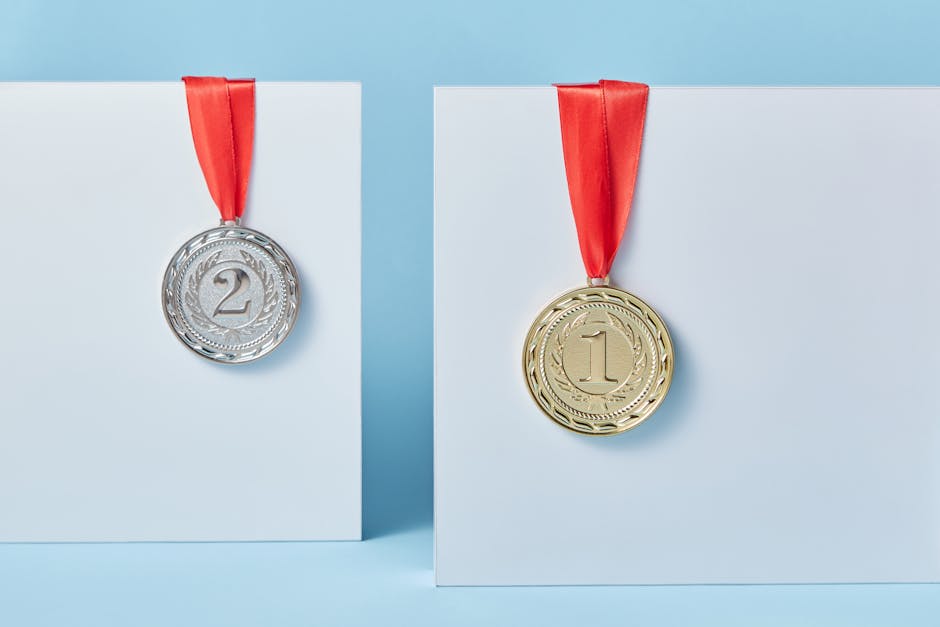
The Glittering Legacy of Medals: A Journey Through History, Culture, and Recognition
In every corner of human civilization, from ancient battlefields to modern Olympic arenas, medals have served as powerful symbols of achievement and distinction. These gleaming tokens are not mere decorations; they embody stories of perseverance, excellence, and legacy.
Their significance transcends time, reflecting societies’ values while also shaping individual identities. Whether crafted from precious metals or humble alloys, medals carry profound meaning beyond their physical form.
Origins and Evolution of Medal Design
The concept of using metallic objects to signify accomplishment dates back thousands of years. Ancient civilizations used simple metal plaques to honor military victories and divine favor.
Egyptians created gold pectorals for pharaohs, while Greeks awarded olive wreaths alongside bronze medals for athletic prowess. These early forms laid the foundation for modern medal design principles.
- Military Medals: From Roman laurels to Napoleonic campaign medals, warfare has always been a primary context for medaling traditions.
- Cultural Significance: Religious institutions developed intricate medallions depicting saints, which later influenced secular designs during Renaissance periods.
The Artistry Behind Medal Creation
Creating an exceptional medal requires meticulous craftsmanship combining artistry with engineering precision. Skilled artisans employ various techniques to bring these symbolic pieces to life.
From traditional engraving methods passed down through generations to cutting-edge laser etching technologies, the process remains both an art and science. Each stage demands attention to detail and creative vision.
A typical medal creation involves several stages including design conception, model making, die preparation, striking, finishing touches, and quality control checks.
Artists often collaborate closely with historians and designers to ensure historical accuracy when recreating iconic awards. This interdisciplinary approach enhances both aesthetic value and cultural relevance.
Types and Categories of Medals
Medal systems vary widely across cultures and organizations, creating diverse classifications based on purpose and prestige levels.
Some common categories include honorary awards, academic distinctions, sports achievements, professional recognitions, and commemorative honors. Understanding these types helps appreciate the breadth of their impact.
- Honorary Awards: Recognize outstanding contributions to society through service, leadership, or humanitarian efforts.
- Sports Achievements: Highlight athletic performance at local, national, and international competition levels.
- Academic Distinctions: Celebrate scholarly accomplishments ranging from school honors to university degrees.
Modern Applications in Sports Competitions
The Olympics remain one of the most visible platforms where medals hold immense importance. Gold, silver, and bronze awards symbolize peak athletic performance globally.
Each Olympic Games sees over 600 medals distributed among competitors representing nearly two hundred nations worldwide. The tradition began in 1904 with the first official Olympic medal presentation.
Design elements change slightly with each edition but maintain core features such as the five interlocking rings emblem and host city-specific motifs.
Recent trends show increased emphasis on sustainability, with some events experimenting with recycled materials without compromising aesthetics or durability.
The Psychology of Winning a Medal
Receiving a medal triggers complex psychological responses rooted in social validation theory. It serves as external confirmation of internal effort and capability.
Studies indicate that athletes who win medals experience heightened self-esteem and motivation compared to those who don’t achieve podium finishes. However, excessive focus on material rewards can sometimes undermine intrinsic drive.
Coaches and psychologists work together to balance recognition programs so they reinforce positive behaviors rather than create dependency issues.
This delicate equilibrium ensures that medal ceremonies celebrate real progress while maintaining healthy competitive attitudes towards future challenges.
Commemorative vs. Honorary Medals: Distinguishing Features
Differentiating between commemorative and honorary medals reveals distinct purposes within the broader spectrum of award culture.
Commemorative medals mark significant events or anniversaries, whereas honorary ones recognize personal achievements or contributions. Both play crucial roles in societal memory formation.
- Historical Context: Commemoratives preserve collective memories of wars, discoveries, or cultural milestones.
- Individual Impact: Honorary medals highlight personal milestones achieved through dedication and hard work.
Preservation Techniques for Vintage Medals
Vintage medals require specialized care to maintain their integrity and visual appeal over time. Proper storage conditions prevent deterioration caused by environmental factors.
Experts recommend keeping them in acid-free archival boxes away from direct sunlight and moisture sources. Regular cleaning should be done carefully following manufacturer guidelines.
Professional restoration services offer options for repairing damaged surfaces without compromising original characteristics. Insurance coverage is essential for high-value collections.
Digitizing collections provides additional protection against loss due to accidents or theft. High-resolution scans allow virtual access without handling fragile items.
Economic Value and Collectibility
Collectible medals represent a niche market with growing interest from numismatists and history enthusiasts alike. Rarity, condition, and historical significance determine their worth.
Rare medals featuring famous figures or significant events command premium prices at auctions held by established institutions like Sotheby’s and Heritage Auctions.
Investors view certain limited-edition releases as potential assets appreciating over decades. However, market fluctuations mean careful research is necessary before purchasing.
Authentication processes involving expert appraisals help verify provenance ensuring legitimacy when trading rare specimens.
Global Traditions Surrounding Medal Ceremonies
Countries around the world develop unique customs surrounding how they present and receive medals. These rituals reflect national identity while honoring recipients appropriately.
Japan holds formal ceremonies with elaborate dress codes emphasizing respect for tradition. In contrast, Scandinavian countries prefer more informal yet meaningful presentations focusing on communal celebration.
Many African nations incorporate indigenous symbolism into medal designs showcasing regional heritage. These variations enrich global appreciation for diverse award practices.
International sporting events often blend multiple traditions creating hybrid experiences that respect cultural differences while promoting unity through shared success.
Technological Innovations Shaping Future Designs
Advancements in technology continue transforming how medals are designed and produced today. Digital modeling software enables precise customization previously unattainable manually.
3D printing allows rapid prototyping reducing production timelines significantly. Smart materials incorporating microchips could soon provide interactive features enhancing user engagement.
Augmented reality applications may soon enable viewers to scan medals and see digital overlays containing historical information or recipient stories.
These innovations promise greater accessibility allowing wider participation in prestigious award programs without sacrificing quality standards.
Conclusion
Through millennia of human history, medals have remained steadfast symbols of our highest aspirations and greatest triumphs. Their enduring presence reminds us of what we strive toward collectively.
Whether worn proudly on chests or displayed respectfully behind glass cases, each piece carries echoes of past glories waiting to inspire new generations pursuing excellence in whatever field they choose.


news is a contributor at AwardShip.com. We are committed to providing well-researched, accurate, and valuable content to our readers.
You May Also Like


Common Medals Mistakes to Avoid
Common Medals Mistakes to Avoid The world of medals has long been associated with recognition, achievement, and prestige. From Olympic...

Best Medals Tips and Strategies
The Symbolism and Evolution of Medals Through History In human history, medals have served as powerful symbols of achievement, honor,...

Professional Medals: Advanced Techniques
The Artistry and Significance of Professional Medals in Recognizing Excellence In a world where achievement is celebrated through various forms...

Medals Step-by-Step Tutorial
The Art and Symbolism of Medals Through History and Modern Practice In every corner of human civilization, medals have served...