


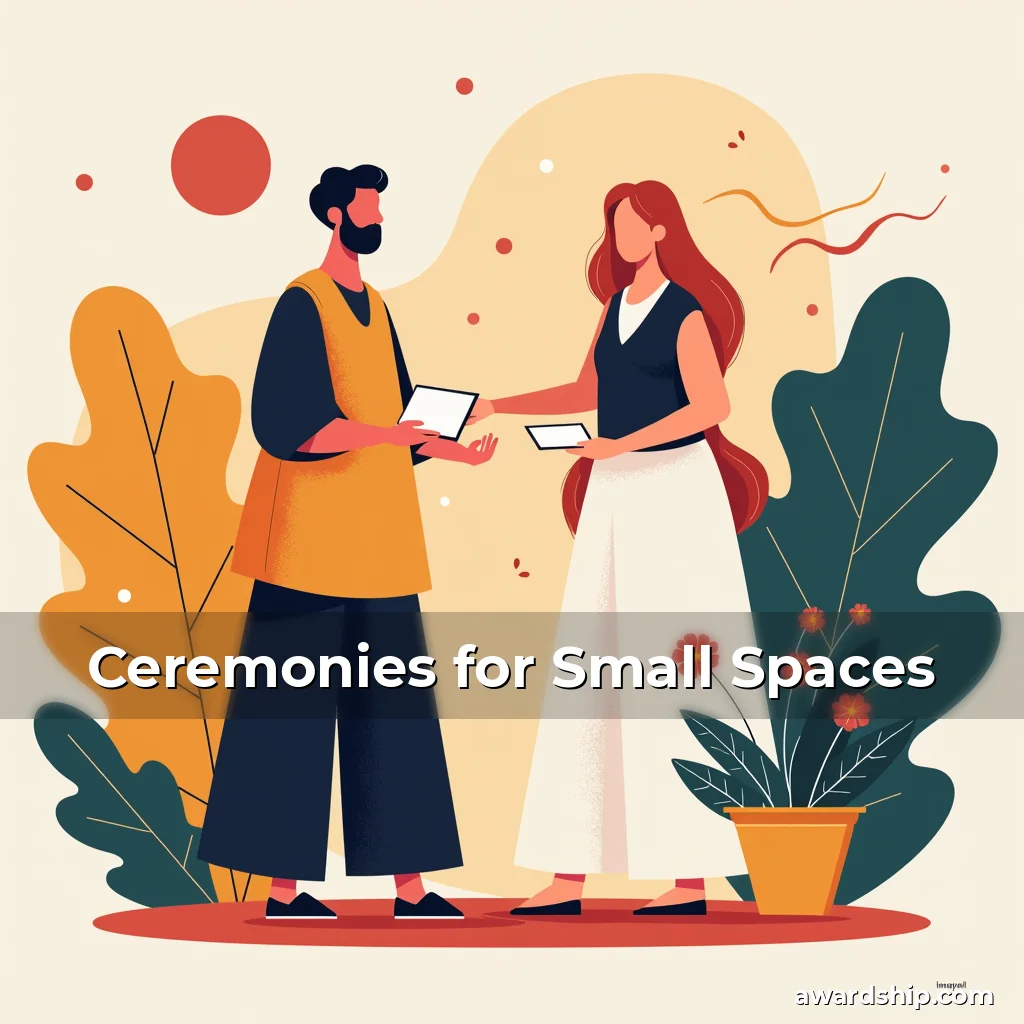
Ceremonies for Small Spaces
In today’s fast-paced world, ceremonies often seem grandiose—think red carpets, flashing cameras, and sprawling venues. But what happens when such events must be adapted for smaller spaces? Whether you’re organizing a local recognition event or hosting a personal celebration within limited square footage, creativity becomes your greatest ally.
The art of crafting meaningful ceremonies without sacrificing impact is both a challenge and an opportunity. By reimagining traditional formats and focusing on intimacy, small-space ceremonies can deliver powerful experiences that resonate deeply with attendees.
The Essence of Ceremonial Moments
A ceremony isn’t defined by its scale but by the emotions it evokes. At its core, a ceremony serves as a ritualized expression of shared values, milestones, or transitions. In any space—even a modest room—it can foster connection, reverence, or joy.
When held in compact environments, these moments become even more intentional. The absence of distractions allows participants to fully engage with each other, making every gesture and word carry greater weight. This heightened presence transforms ordinary gatherings into memorable experiences.
Consider how a simple candlelight gathering can feel infinitely more profound than a massive ballroom filled with strangers. Size doesn’t dictate significance; intention does.
Creative Solutions for Space Constraints
Adapting ceremonies to fit confined areas requires ingenuity. Folding chairs arranged in concentric circles create a dynamic seating layout while promoting visual engagement among guests. Vertical space also offers opportunities—for example, hanging banners with symbolic imagery or using tiered displays to showcase awards or honors.
Lighting plays a crucial role too. Strategic placement of LED strips along walls or ceilings can transform narrow corridors into dramatic settings. Dimming capabilities allow for seamless transitions between different mood phases during the event.
- Modular Furniture: Choose movable pieces that can be rearranged quickly based on the flow of activities.
- Wall Art Integration: Utilize existing wall surfaces creatively through temporary installations rather than permanent changes.
Beyond physical elements, digital tools provide innovative ways to enhance atmosphere. Projection mapping technology can turn plain surfaces into immersive backdrops, adding depth and dimension where space is at a premium.
Cultural Nuances in Compact Settings
Different cultures approach ceremonial traditions uniquely, which means adapting them to small spaces may require sensitivity. For instance, some rituals involve elaborate setups that symbolically represent cultural narratives—a challenge when working with minimal footprint.
However, many aspects remain adaptable across sizes. A traditional Japanese tea ceremony emphasizes mindfulness and respect regardless of location size. Similarly, Indigenous communities worldwide conduct sacred rites emphasizing environmental harmony, which translates well to intimate indoor or outdoor settings.
By researching regional customs before planning, organizers ensure authenticity while honoring spatial limitations. This balance respects heritage without compromising practicality.
It’s essential not only to understand but also respectfully incorporate elements from various backgrounds so they align naturally with available resources and aesthetics rather than feeling forced or superficially applied.
Fostering Intimacy Through Simplicity
Smaller venues inherently encourage closer interaction among attendees. This proximity facilitates genuine conversations and unites people through shared experiences more effectively than larger events ever could.
Intimate ceremonies thrive on emotional resonance over spectacle. Personal stories told around a small table might leave lasting impressions stronger than speeches delivered beneath chandeliers. The key lies in prioritizing heartfelt connections above grand gestures.
Taking advantage of close quarters allows for interactive components such as live music performances up front or hands-on participation in symbolic acts like lighting candles together. These elements add layers of meaning beyond mere observation.
Logistical Planning Tips for Limited Venues
Succinct scheduling ensures smooth execution within tight confines. Allocating precise time slots for each activity prevents overcrowding and maintains rhythmic progression throughout the evening or day-long affair.
Pre-event coordination with vendors guarantees everything arrives promptly and fits seamlessly into designated zones. From catering equipment to AV systems, knowing exact dimensions helps avoid last-minute surprises.
Designated entry/exit points reduce congestion during peak times. Clear signage directs traffic efficiently while minimizing disruptions to ongoing proceedings.
Technology integration simplifies communication; apps allowing real-time updates help manage expectations and streamline operations amidst logistical complexities.
Navigating Challenges Positively
Space restrictions present obstacles yet offer fertile ground for innovation. Rather than viewing constraints negatively, reinterpret them as invitations toward creative problem-solving techniques tailored specifically for miniaturized staging scenarios.
Perspective shifts matter greatly here—an enclosed area might limit visibility but enables focused attention instead. Smaller crowds mean fewer variables affecting overall ambiance control.
Engaging volunteers who understand the vision enhances adaptability under pressure. Their roles range from managing crowd movement safely to assisting with tech setup according to pre-established protocols.
Maintaining flexibility remains vital; unexpected issues arise inevitably. Having contingency plans ready makes handling surprises less stressful and keeps morale high amongst staff and guests alike.
Elevating Ceremony Experiences Digitally
Modern technology opens new avenues for enriching small-scale ceremonies digitally. Virtual reality headsets enable remote attendees to experience events immersively despite geographical barriers. Live streaming platforms let wider audiences participate actively via chat features or virtual applause mechanisms.
Augmented reality overlays can transform static objects into interactive elements during presentations. Imagine revealing trophies holographically or displaying biographical information about honorees as they walk across stage.
These innovations don’t replace physical attendance entirely but complement it beautifully by expanding reach without diluting essence. Thoughtful use of digital enhancements preserves core values central to any successful ceremony irrespective of venue size.
Furthermore, post-ceremony access through recorded sessions provides enduring memories accessible anytime after the actual event concludes. Archival options cater conveniently to those unable to attend physically due to various commitments.
Community Building Within Restricted Environments
Limited spaces inadvertently promote tighter-knit relationships among participants simply because everyone knows each other better in close quarters. Shared responsibilities during preparations reinforce teamwork spirit essential for cohesive outcomes later.
Encouraging open dialogue early on fosters mutual understanding regarding preferences and sensitivities related to cultural practices or individual comfort levels surrounding certain types of interactions.
This collaborative ethos extends naturally into celebratory moments themselves—communal singing, group reflections, or collective acknowledgments strengthen bonds formed prior through joint efforts towards common goals.
Such initiatives cultivate long-term loyalty within groups bound temporarily by shared purposes, potentially leading to future collaborations rooted firmly in trust established now.
Measuring Impact Beyond Physical Parameters
Evaluating success shouldn’t solely rely upon quantitative metrics like guest numbers or social media mentions. Qualitative assessments yield richer insights about effectiveness particularly relevant for micro-events designed intentionally around deep engagement principles.
Gathering feedback post-event via surveys captures nuanced perspectives from diverse stakeholders involved—from organizers and performers down to casual observers passing through briefly.
Analyzing thematic patterns emerging from responses highlights strengths worth replicating alongside areas needing improvement next time. This continuous learning cycle ensures refinement aligned closely with community needs evolving constantly over periods.
Ultimately, measuring true impact involves gauging whether participants felt valued, inspired, connected emotionally—and most importantly—whether they would recommend attending similar future occasions enthusiastically.
Conclusion
Ceremonies don’t need vast spaces to make an impression. With thoughtful design choices reflecting cultural awareness and technological advances supporting enhanced accessibility, small venues can host impactful gatherings capable of leaving indelible marks on hearts and minds alike.
Embrace the potential hidden within constrained boundaries—let imagination guide transformations turning humble rooms into arenas rich with meaning worthy of celebration itself. Your next remarkable occasion awaits right there within arm’s reach!


news is a contributor at AwardShip.com. We are committed to providing well-researched, accurate, and valuable content to our readers.
You May Also Like


Ceremonies: Essential Tools and Resources
Ceremonies: Essential Tools and Resources Ceremonies are integral components of human culture, serving as formal occasions that mark significant events,...

Common Ceremonies Mistakes to Avoid
Common Ceremonies Mistakes to Avoid Ceremonies are integral parts of human culture, marking significant events through structured rituals that convey...

How to Choose Ceremonies: Expert Guide
How to Choose Ceremonies: Expert Guide Ceremonies are integral to human culture, marking significant life events and milestones with symbolic...
Ceremonies Step-by-Step Tutorial
Ceremonies Step-by-Step Tutorial Ceremonies are structured events that mark significant occasions through ritualized actions and symbolic gestures. Whether formal or...