


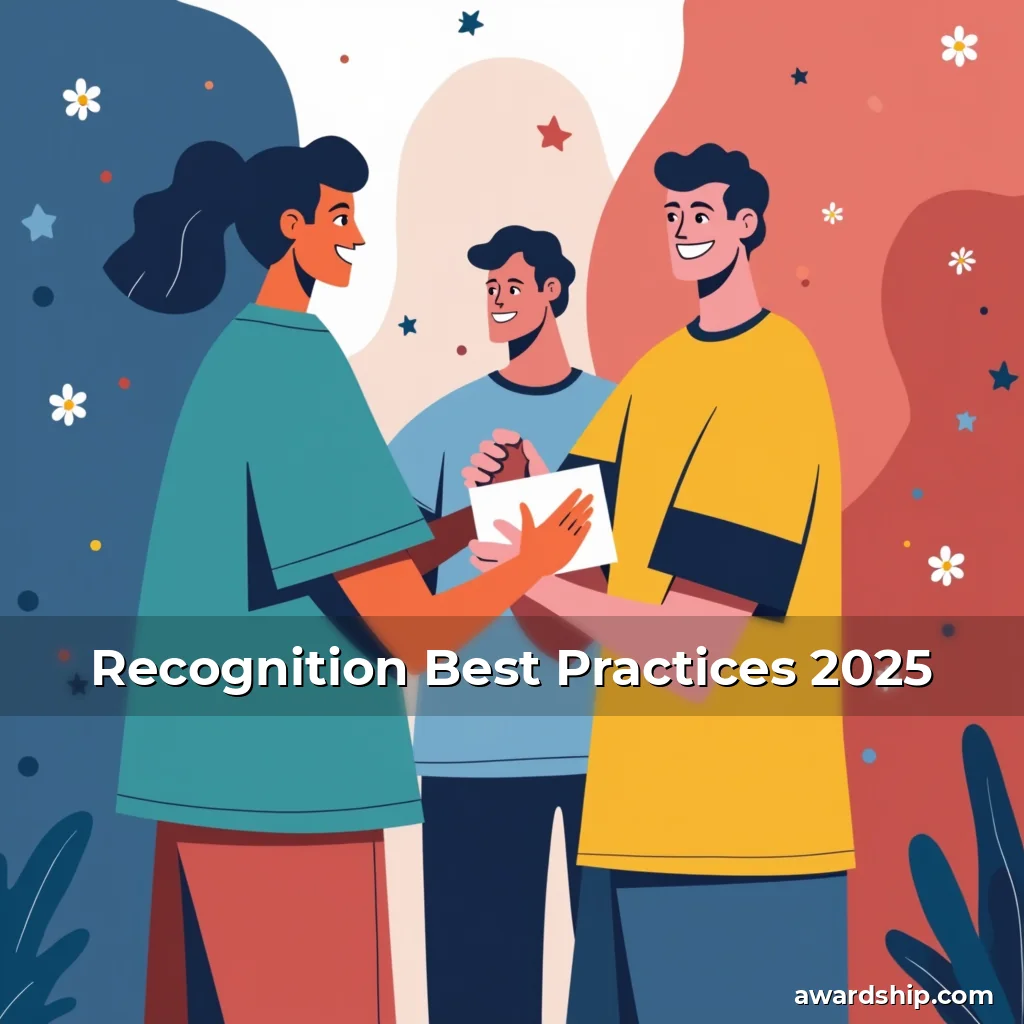
Recognition Best Practices 2025
The landscape of recognition has evolved dramatically in recent years, driven by technological advancements and changing workplace dynamics. As we enter 2025, understanding effective recognition practices is crucial for individuals and organizations seeking to foster motivation, engagement, and innovation.
Modern approaches emphasize personalization, transparency, and inclusivity, ensuring that every individual feels valued and appreciated within their community or organization. These principles form the cornerstone of meaningful recognition strategies today.
The Evolution of Recognition
In the past decade alone, recognition methods have transformed from simple handwritten notes to sophisticated digital platforms capable of analyzing employee performance metrics in real time. This shift reflects broader societal changes towards valuing emotional intelligence and mental well-being in professional settings.
Traditional peer-to-peer recognition systems are now being augmented with AI-driven analytics tools that identify patterns in team interactions and suggest optimal moments for acknowledgment. Such innovations ensure recognition remains timely and relevant in fast-paced environments.
- Data-informed decisions: Modern recognition programs leverage big data to personalize acknowledgments based on an individual’s work style and preferences.
- Cross-cultural sensitivity: Globalized workplaces require tailored approaches to respect diverse cultural perspectives on recognition.
These technologies not only enhance efficiency but also reduce biases inherent in human judgment when determining who deserves acknowledgment. The integration of machine learning algorithms ensures fairer distribution of recognition across teams.
Moreover, gamification elements are increasingly incorporated into recognition frameworks, turning appreciation into interactive experiences that boost participation rates among employees. Points systems and leaderboards
Creating Effective Recognition Frameworks
Designing robust recognition systems requires balancing structure with flexibility. While guidelines provide necessary consistency, too much rigidity may stifle organic expressions of appreciation between colleagues.
An ideal framework incorporates both official channels – such as company-wide awards ceremonies – alongside informal mechanisms like instant messaging shout-outs or peer suggestion boxes. This dual approach caters to different personality types within any given workforce.
Successful companies implement tiered recognition models where small daily appreciations accumulate toward larger milestones. For example, reaching 10 “Thank You” badges might unlock special privileges or extended vacation days.
Metric-based recognition programs use predefined criteria to evaluate achievements objectively. However, these must be paired with qualitative assessments to account for intangible contributions like mentorship or teamwork initiatives.
When designing recognition structures, it’s essential to consider various communication styles within your audience. Some people thrive under public acknowledgment, while others prefer private affirmations of their efforts.
Implementing Digital Solutions
Digital transformation has revolutionized how organizations manage recognition processes. Cloud-based platforms enable seamless tracking of acknowledgments across departments and geographical locations.
Mobile-first applications allow for immediate recognition anytime, anywhere. Features like voice messages, video testimonials, and geolocation tagging make remote working environments feel connected and appreciated.
Social recognition software integrates with existing HR management systems, providing managers with analytics dashboards showing which team members receive most acclaim. This visibility helps identify high performers organically without resorting to biased evaluations.
Some advanced platforms offer virtual gifting capabilities where users can send branded merchandise or experience vouchers directly through the application interface. This adds an element of fun while reinforcing brand identity during celebrations.
Artificial intelligence plays a growing role in suggesting personalized recognition opportunities based on behavioral patterns observed over time. Machine learning algorithms analyze project timelines and collaboration networks to pinpoint significant achievements worthy of notice.
Measuring Impact Through Metrics
Evaluating the effectiveness of recognition programs involves collecting quantitative and qualitative data simultaneously. Surveys, interviews, and performance reviews provide multifaceted views of program success.
Key Performance Indicators (KPIs) commonly used include retention rates, promotion velocity, cross-departmental collaborations, and Net Promoter Scores (NPS). These metrics help quantify improvements resulting from enhanced recognition cultures.
Organizations implementing recognition programs typically see increases in voluntary referrals, with some reporting up to 60% growth in candidate pipeline sources within six months. This demonstrates strong correlation between employee satisfaction and employer branding strength.
Longitudinal studies show sustained engagement levels correlate strongly with frequency and quality of recognition experienced. Regular check-ins using pulse surveys ensure continuous refinement of recognition strategies according to evolving needs.
To maintain credibility, measurement methodologies must remain transparent and aligned with organizational goals. Employees should understand exactly what metrics are being tracked and why they matter to overall business outcomes.
Fostering Inclusive Cultures Through Recognition
Inclusive recognition practices ensure all voices are heard regardless of position or tenure. Structured peer review systems allow junior staff members equal opportunity to acknowledge senior leaders’ contributions.
Anonymous feedback mechanisms prevent favoritism in recognition allocation while preserving accountability standards. These features create safe spaces for honest evaluation without fear of retribution.
Language and symbolism used in recognition materials should be carefully vetted to avoid unintentional offense across cultures. Visual cues like color choices or iconography carry different meanings globally.
Training sessions dedicated to cultural competency prepare managers to recognize nuanced differences in how people perceive and respond to forms of acknowledgment. This prevents misinterpretation of intentions behind certain recognition gestures.
Regular audits of recognition practices help uncover potential gaps or disparities in implementation. These reviews ensure equity is maintained even as programs evolve over time.
Navigating Challenges in Recognition Programs
Common pitfalls include inconsistent application of recognition policies across departments or locations. Without standardized procedures, perceived inequities can arise despite good intentions behind initial design.
Over-reliance on automated recognition systems risks depersonalizing the process. Technology should serve as support rather than replacement for authentic human connections in acknowledgment practices.
Managing expectations becomes critical when implementing new recognition models. Clear communication about what constitutes valid reasons for recognition prevents confusion or misuse of system resources.
Resistance to change often emerges from individuals accustomed to previous systems. Transition plans featuring phased rollouts help ease this adjustment period naturally.
Ongoing training keeps all stakeholders informed about updates and enhancements made to recognition infrastructure. This maintains relevance and usability as business landscapes continue shifting rapidly.
Building Sustainable Recognition Ecosystems
Sustainable recognition cultures require intentional cultivation through leadership commitment and strategic resource allocation. Executive sponsorship signals top-down prioritization that influences departmental adoption rates.
Investing in technology upgrades periodically ensures recognition platforms remain functional and user-friendly for current workforce demographics. Interface redesigns accommodate emerging accessibility standards regularly adopted industry-wide.
Budget considerations extend beyond direct costs associated with physical rewards to include indirect expenses related to administrative overhead required for managing recognition processes effectively.
Continuous improvement cycles involve gathering stakeholder input quarterly to refine existing initiatives before scaling them broadly across entire organizations. Pilot testing proves invaluable prior to full deployment of new programs.
Partnerships with external experts specializing in organizational development help access best practices from comparable industries facing similar challenges regarding effective recognition implementations.
Conclusion
The evolution of recognition in 2025 reflects a maturing understanding of its profound influence on organizational health and individual fulfillment. From ancient tribal customs to modern algorithmic analyses, our pursuit of meaningful acknowledgment continues to shape human connection in remarkable ways.
By embracing balanced, inclusive, and adaptive recognition frameworks, organizations can cultivate resilient cultures built on mutual respect and shared success stories. Remember – true recognition goes beyond certificates or trophies; it creates lasting impressions that drive long-term engagement and loyalty among professionals worldwide.


news is a contributor at AwardShip.com. We are committed to providing well-researched, accurate, and valuable content to our readers.
You May Also Like

Recognition: Essential Tools and Resources
The Power of Recognition: Transforming Individuals and Organizations Through Acknowledgment Recognition is not merely an act; it's a transformative force...
Recognition vs Alternatives: Complete Comparison
Recognition vs Alternatives: Complete Comparison The concept of recognition has long been intertwined with human motivation and social interaction, yet...

Recognition Step-by-Step Tutorial
The Transformative Power of Recognition: A Journey Through Meaningful Acknowledgment In today's fast-paced world, recognition has become more than just...
Professional Recognition: Advanced Techniques
Professional Recognition: Advanced Techniques In an era where professional achievement is increasingly intertwined with visibility, understanding how recognition functions as...