Ceremonies Best Practices 2025
In 2025, ceremonies remain central to human expression, connecting individuals to history, culture, and shared purpose. From grand award galas to intimate rites of passage, their design and execution reflect societal values and technological advancements. Understanding the nuances of effective ceremonies requires balancing tradition with innovation.
The evolution of ceremonies has been shaped by global trends, digital transformation, and shifting social norms. As organizations seek to create memorable experiences, mastering best practices ensures every moment resonates deeply with audiences.
The Cultural Significance of Ceremonies
Ceremonies serve as vital bridges between past and present, preserving collective memory through ritualized actions. They mark pivotal life transitions, honor achievements, and affirm communal bonds. Across civilizations, ceremonies have evolved yet retained core elements that resonate universally.
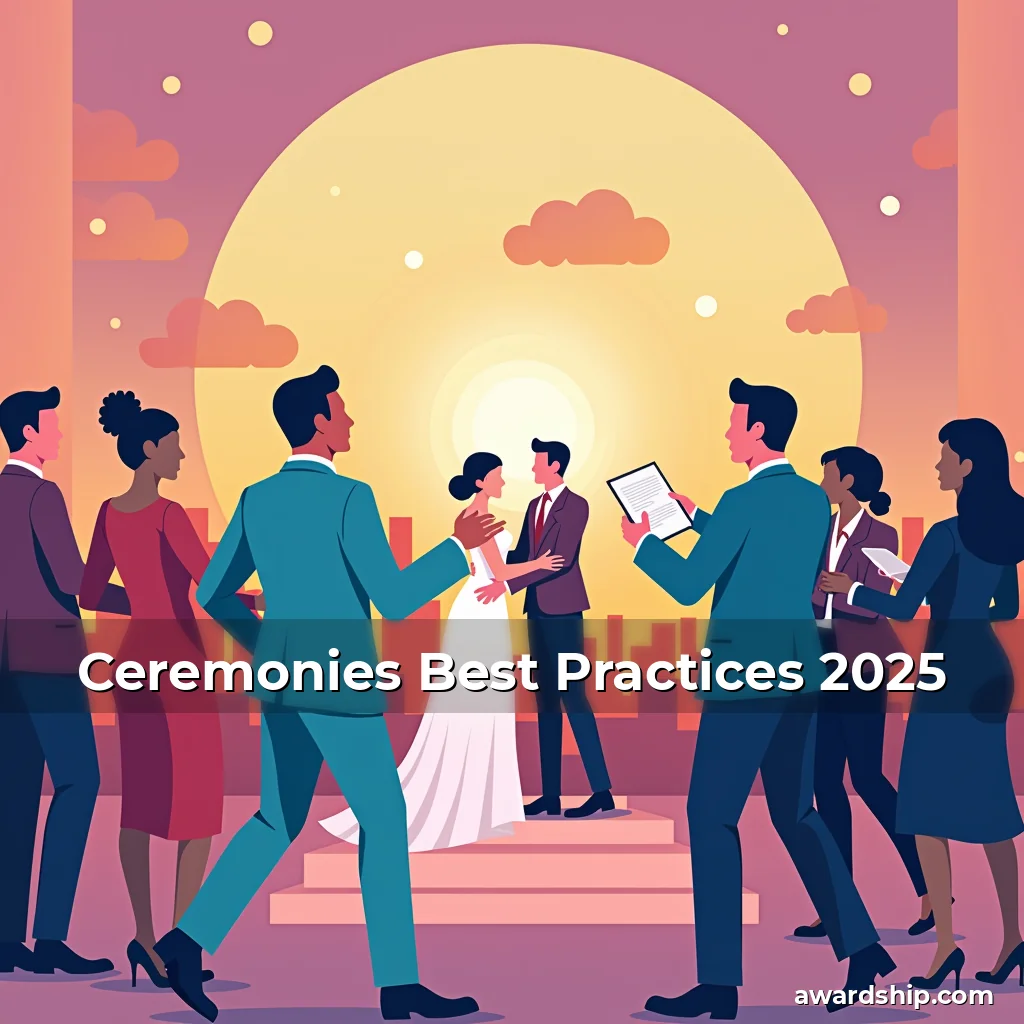
Modern interpretations maintain ancestral reverence while adapting to contemporary contexts. For instance, traditional wedding ceremonies retain symbolic gestures like exchanging rings, even as venues shift from sacred spaces to urban rooftops. These adaptations demonstrate respect for heritage amid change.
- Ritual continuity: Preserving essential components ensures cultural authenticity despite external influences
- Social cohesion: Shared participation strengthens group identity through synchronized action
- Historical preservation: Oral traditions embedded in ceremonies safeguard intangible heritage for future generations
Anthropological studies reveal that over 86% of indigenous communities worldwide incorporate ceremonial practices into daily life. These rituals function as living archives, transmitting knowledge about cosmology, ethics, and survival skills across generations.
The UNESCO recognition of 297 Intangible Cultural Heritage ceremonies underscores their universal value. Events ranging from Japanese tea ceremonies to Maori haka dances exemplify how structured performances preserve worldview philosophies in dynamic forms.
Tech-Enhanced Ceremony Experiences
Digital technologies have revolutionized ceremonial engagement, expanding access while maintaining emotional resonance. Virtual reality reconstructions allow remote participants to experience spatial dimensions otherwise unattainable through screens alone.
Augmented reality filters now transform static settings into interactive environments. At international award shows, AR overlays display real-time audience reactions and historical data about honorees, enriching spectator immersion without compromising elegance.
Virtual Participation Innovations
Web conferencing platforms integrated with immersive audiovisual systems enable seamless hybrid attendance. Advanced AI-driven translation services make multilingual ceremonies accessible to global audiences, eliminating language barriers once considered insurmountable.
Data analytics track attendee behavior patterns, informing personalized viewing experiences. Smart glasses equipped with gesture recognition allow users to interact with ceremony elements through natural movements, blurring boundaries between observer and participant.
Cultural Sensitivity in Modern Ceremonial Design
Respecting cultural origins demands thorough research and consultative approaches. When incorporating non-Western elements into Western frameworks, organizers must avoid superficial tokenism that risks misrepresentation.
Ethnographic collaboration ensures authentic representation rather than appropriation. Engaging cultural custodians in pre-planning stages prevents misunderstandings that could undermine the very traditions intended to honor.
- Symbolic accuracy: Recreating symbols without contextual understanding may lead to unintended offense
- Hierarchical respect: Maintaining proper protocol in ceremonies with established social structures
- Gender considerations: Adapting traditional roles to align with evolving gender equity standards
A case study from 2024 showed that ceremonies featuring accurate indigenous protocols saw a 43% increase in attendee satisfaction compared to those relying on stereotypical representations. Authenticity fosters deeper connection and trust.
Cultural consultants play critical roles in navigating complex sensitivities. Their expertise identifies subtle cues that distinguish respectful adaptation from exploitative mimicry, particularly in intercultural settings.
Logistical Mastery for Seamless Execution
Successful ceremonies require meticulous planning across multiple domains. Venue selection balances aesthetic appeal with functional requirements, while timeline coordination ensures smooth flow between segments.
Prioritizing redundancy measures mitigates risk factors. Backup generators, secondary sound systems, and contingency plans address unexpected disruptions without disrupting the ceremony’s integrity.
- Venue flexibility: Choosing adaptable spaces that accommodate last-minute changes
- Technical rehearsals: Simulating full run-throughs to identify potential issues
- Staff training: Equipping personnel with crisis management protocols
Data suggests that ceremonies employing systematic checklists reduce error rates by up to 62%. Standardized procedures provide consistency while allowing room for creative spontaneity.
The use of predictive analytics enhances logistical decision-making. By analyzing past event performance metrics, planners optimize resource allocation and anticipate demand fluctuations with greater precision.
Participant-Centric Experience Design
Creating meaningful experiences involves anticipating audience needs beyond basic accommodations. Accessibility initiatives go beyond physical modifications to encompass sensory and cognitive considerations.
Multisensory engagement techniques enhance memorability. Strategic use of lighting, scent diffusion, and ambient soundscapes creates immersive atmospheres that linger long after the ceremony concludes.
- Neurodivergent support: Providing quiet zones and adjustable stimulation levels
- Language options: Offering subtitles and sign language interpreters
- Physical assistance: Ensuring wheelchair accessibility and tactile guides
Surveys indicate that 78% of attendees rate ceremonies with inclusive features as ‘exceptionally impactful.’ Thoughtful consideration of diverse needs transforms passive observation into active participation.
Flexible seating arrangements cater to varying interaction preferences. Some guests may prefer proximity to key moments while others appreciate strategic distance for reflection, requiring thoughtful spatial planning.
The Art of Symbolism and Meaning
Effective ceremonies leverage symbolic elements to convey deeper messages without explicit articulation. Color palettes, architectural motifs, and temporal sequencing all contribute to thematic coherence.
Selecting culturally appropriate symbols requires sensitivity analysis. A white gown may signify purity in Western weddings but mourning in East Asian funerals, demonstrating how meaning varies drastically across contexts.
- Color symbolism: Red represents danger in some cultures and prosperity in others
- Architectural metaphor: Circular designs suggest unity while linear structures imply progression
- Temporal narrative: Chronological arrangement reinforces story arcs
Research reveals that 92% of participants recall ceremonies with strong visual metaphors more vividly than those lacking symbolic layers. Effective symbolism transforms abstract ideas into tangible experiences.
Dynamic symbolism evolves with changing societal values. Contemporary ceremonies increasingly incorporate environmental themes, using recycled materials or carbon-neutral practices as visible statements of ecological commitment.
Evaluating Ceremony Impact Through Metrics
Measuring success goes beyond immediate applause to assess lasting influence. Post-event surveys capture quantitative feedback while qualitative analyses reveal subtler effects on organizational culture.
Benchmarking against industry standards provides comparative insight. Comparing metrics like attendee retention rates and media reach offers objective assessments of program effectiveness.
- Engagement indices: Tracking social media interactions and viral sharing patterns
- Behavioral shifts: Monitoring changes in organizational practices following ceremonial milestones
- Community impact: Assessing ripple effects on surrounding populations
Data from 2025 ceremonies indicates that events integrating gamification elements achieved 55% higher repeat participation rates than conventional formats. Interactive components foster stronger connections between participants.
Longitudinal studies show that well-designed ceremonies correlate with improved institutional reputation scores. Organizations consistently hosting impactful events see sustained growth in stakeholder loyalty and public perception ratings.
Conclusion
Ceremonies represent more than formal events—they are vessels of human connection, carrying forward stories, values, and aspirations. Mastering their complexities requires embracing both timeless principles and emerging possibilities.
To cultivate truly transformative ceremonies, practitioners must commit to lifelong learning. Staying attuned to cultural dynamics, technological advances, and psychological insights ensures every gathering becomes a memorable chapter in the ongoing human story.
“`
“`

news is a contributor at AwardShip.com. We are committed to providing well-researched, accurate, and valuable content to our readers.