Quick Medals Solutions Under 30 Minutes
Medals have long symbolized achievement, honor, and legacy across cultures and eras. From Olympic victories to military service acknowledgments, these small yet powerful objects carry profound meaning.
This guide explores everything you need to know about medals—from design principles and historical context to practical applications in modern award systems. Whether you’re organizing an event, crafting custom awards, or simply curious about their role in society, this resource covers essential knowledge quickly and efficiently.
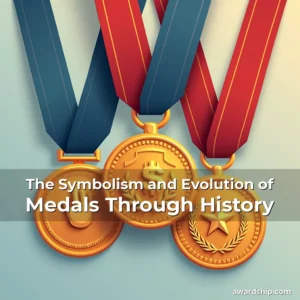
The Evolution of Medals Through History
Medals date back thousands of years, originating as tokens of conquest and prestige among ancient civilizations. Early examples include Greek and Roman coins minted to commemorate military campaigns and political achievements.
During the Middle Ages, European knights began receiving ornate metal badges for valor, setting the stage for structured award systems later adopted by monarchies and institutions. These early designs often featured intricate engravings and precious metals.
- Archaeological findings** reveal medals made of bronze, gold, and silver as far back as 2000 BCE.
- Feudal lords used medals to denote rank and loyalty**, blending artistic craftsmanship with symbolic intent.
Modern Medal Design Principles
Today’s medals prioritize both aesthetics and functionality, balancing form with purpose. Designers typically incorporate materials like brass, copper, zinc alloy, or even rare metals for high-end awards.
Common features such as ribbons, clasps, and engraving enhance usability and personalization. A well-designed medal should reflect its recipient’s accomplishments while maintaining durability.
Cultural Variations in Medal Usage
In Asia, medals often emphasize spiritual symbolism, incorporating motifs like dragons or phoenixes to represent power and renewal. In contrast, Western medals frequently highlight individual achievement through heraldic imagery.
Regional differences extend to ceremonies surrounding medal presentation. For instance, Japanese award rituals emphasize humility, whereas American ceremonies may focus on public celebration of excellence.
Types of Medals and Their Purposes
Medals serve diverse functions, categorized broadly into academic, sports, military, and commemorative varieties. Each type reflects distinct values and traditions.
Academic medals recognize scholarly excellence, while athletic medals celebrate competitive success. Military honors distinguish bravery, sacrifice, and service, often featuring unit insignias or national flags.
- Military medals** may include stars, crosses, or laurel wreaths to signify specific feats.
- Commemorative medals** often mark anniversaries, disasters, or cultural milestones with personalized inscriptions.
Customizing Medals for Specific Events
Creating bespoke medals requires careful consideration of theme, material, and scale. Event organizers should align design choices with the occasion’s tone and goals.
For corporate awards, minimalist styles with company logos work best, while charity galas might favor elegant, handcrafted pieces. Budget constraints also influence decisions about plating options and production timelines.
Achieving consistency across multiple medals demands precise specifications. Providing designers with detailed briefs ensures alignment between vision and execution.
Manufacturing Processes Behind Quality Medals
High-quality medals begin with precision casting, followed by meticulous finishing techniques. Techniques like electroplating add luster and longevity to base metals.
Advanced methods such as CNC machining allow for intricate detailing, while traditional hand-engraving preserves artisanal authenticity. Surface treatments like antiquing or polishing further elevate visual appeal.
- Eco-friendly alternatives** now offer recycled metals for sustainable award solutions.
- Digital prototyping tools** enable rapid iteration before mass production begins.
The Psychology of Receiving a Medal
Receiving a medal triggers emotional responses tied to validation and self-worth. Studies show recipients experience heightened motivation and pride when recognizing effort and skill.
Social recognition via medals reinforces group identity, whether within teams, organizations, or communities. This psychological impact makes medals potent tools for fostering engagement and morale.
However, excessive reliance on external validation can lead to dependency issues. Balancing tangible rewards with intrinsic motivation remains crucial in award strategies.
Preserving and Maintaining Medals Over Time
To ensure longevity, store medals in dry environments away from direct sunlight. Acid-free cases protect against corrosion and discoloration caused by humidity.
Routine cleaning uses soft cloths and mild soap solutions, avoiding abrasive agents that damage finishes. Periodically inspect clasps and hinges for wear requiring professional repair.
- Insurance coverage** safeguards against loss or theft during storage or display.
- Digitally archiving images of significant medals** creates backups for future generations.
Legal Considerations When Creating Awards
Licensed medals for official bodies require strict compliance with trademark laws and government regulations. Unauthorized reproductions risk legal action and reputational harm.
When designing for international audiences, understand export restrictions and import tariffs affecting metal shipments. Cultural sensitivities around symbols must also be addressed carefully.
Consulting legal experts ensures all aspects—including copyright usage of mascots or historic figures—are ethically sound and legally compliant.
The Future of Digital Medals and Virtual Recognition
Demand for digital equivalents has grown alongside virtual interactions. Blockchain technology enables verifiable NFT medals with secure ownership records.
Augmented reality experiences let users view 3D models of medals, enhancing engagement for remote participants. Gamification elements reward progress toward goals through interactive digital badges.
Despite technological advances, physical medals retain irreplaceable sentimental value. Hybrid approaches combining both formats cater to evolving preferences without losing tradition.
Conclusion
Understanding medals involves appreciating their history, design complexity, and societal roles. Whether selecting existing awards or creating new ones, informed decisions enhance their meaningfulness.
By applying the insights shared here, you’ll be equipped to choose or craft medals that resonate deeply with recipients and uphold standards of quality and respect.

news is a contributor at AwardShip.com. We are committed to providing well-researched, accurate, and valuable content to our readers.